Most people only think about their locks when something goes wrong: a lost key ring, a roommate who moved out and never gave the key back, or a front door that suddenly won’t turn. In New York, where a lot of us live in older buildings with two or three locks on one door, it’s easy to get confused about what you actually need.
This guide explains, in plain words, when you should change your locks, when rekeying is enough, and what renters in NYC should know before touching the door.
Rekey or replace: what’s the difference?
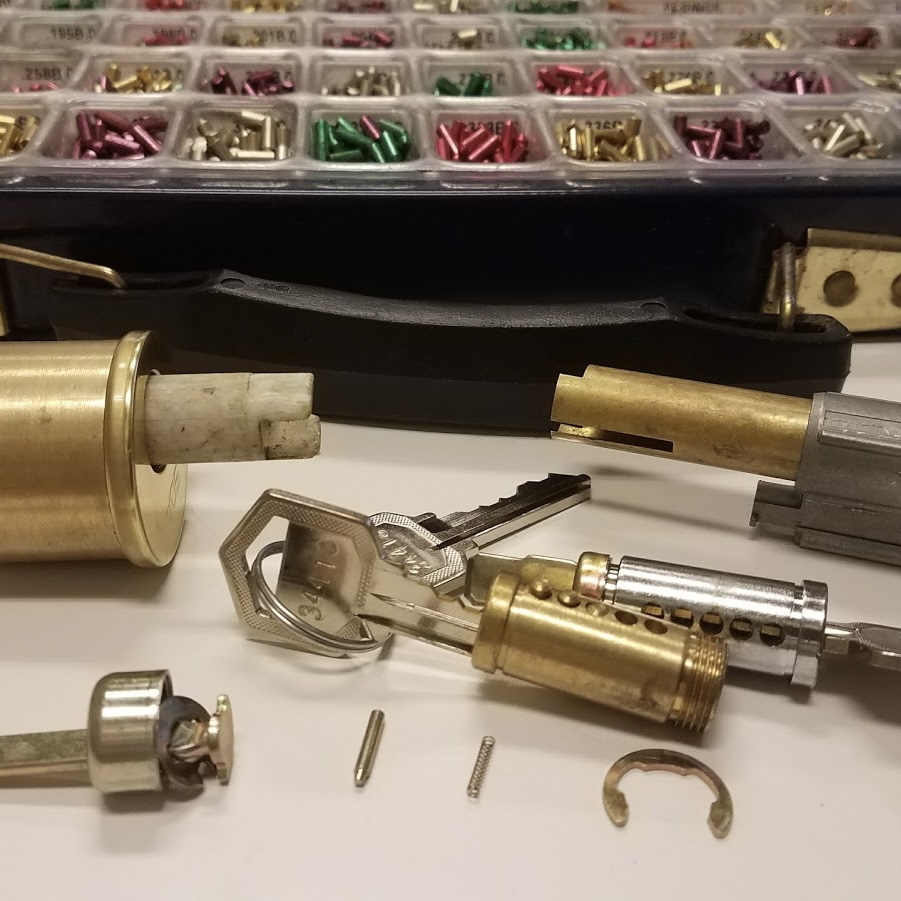
Rekeying keeps your existing lock on the door. A locksmith takes the cylinder apart and changes the small pins inside, so the lock works with a new key. Your old keys stop working right away.
Replacing means taking the lock off and putting a new one in. You get new hardware, and you can choose a stronger or different type of lock.

A simple way to decide:
- Rekey if the lock is in good shape and you just want old keys to stop working.
- Replace if the lock is worn, sticky, damaged, cheap, or you want something more secure, like a high-security cylinder or a smart lock.
Rekeying is usually the faster and cheaper option, so if your locks work fine, start there.
When you should change or rekey your locks
1. You just moved in
You don’t know how many copies of the old keys are out there: past tenants, contractors, dog walkers, a former super. Rekeying on moving day is one of the easiest ways to make a new place feel like yours.
2. You lost your keys or they were stolen
If your keys were in a bag with your ID or mail, someone may know where you live. Don’t wait to see if they turn up. Rekey the doors those keys open.
3. A roommate, partner or tenant moved out
Even if everything ended on good terms, keys get copied and forgotten. Landlords and supers often rekey units between tenants for the same reason.
4. After a break-in or attempted break-in
Forced entry can crack the cylinder, bend the bolt or tear up the strike plate in the frame. In this case, a rekey isn’t enough. The damaged parts need to be replaced, and it’s a good moment to reinforce the door.
5. The lock is hard to use
If you have to jiggle the key, push the door to get it to turn, or the key gets stuck, the lock is wearing out. Fixing it now is much easier than dealing with a lock that fails when you’re trying to get home at night.
6. You want better security
Many NYC apartments still have basic locks that can be picked or bumped. A high-security cylinder from brands like Medeco or Mul-T-Lock is much harder to defeat, and the keys can’t be copied at any hardware store.
What NYC renters should know before changing locks
If you rent in a multi-unit building, check your lease first, and keep these points in mind:
- You can usually add your own lock. New York’s Multiple Dwelling Law, Section 51-c lets tenants in many buildings install an additional lock on their apartment’s entrance door.
- Your landlord may ask for a copy of the key. If they request one, you’ll need to provide it. Keep that in mind when choosing a lock with restricted keys.
- Don’t remove the landlord’s lock without talking to them. The easier route is often to ask the landlord or super to rekey, or to add your own lock alongside the existing one.
- Co-ops and condos may have rules. Some buildings require specific hardware on unit doors, so check with management before you buy a lock.
If you own your home or house, the choice is yours. Just make sure every exterior door gets the same attention, including back doors and side doors.
What affects the price of a lock change
There’s no single price for “changing a lock,” because every door is different. The main things that affect cost are:
- Rekey vs. new lock. Rekeying uses the lock you already have, so it costs less.
- How many locks. Many NYC doors have a knob lock, a deadbolt and sometimes a police lock. Each one counts.
- Type of lock. A standard deadbolt costs less than a high-security cylinder, a mortise lock or a smart lock.
- Door condition. If the frame or strike plate is damaged, that’s extra work.
- Keying alike. Having one key that opens all your doors is convenient and is usually done at the same visit.
A good locksmith looks at your locks first and tells you the price before starting. If someone quotes a very low price on the phone and then a much higher price at your door, that’s a red flag.
Can I change the locks myself?
If you’re handy and replacing a simple knob or deadbolt with the same size, you can do it yourself with a screwdriver. It gets harder with mortise locks (common in older NYC buildings), high-security cylinders, metal apartment doors and rekeying, which needs special tools and pins. If the door is damaged or the lock is part of your building’s system, it’s worth calling a professional.
Quick checklist
- Just moved in? Rekey.
- Lost keys? Rekey right away.
- Break-in or damaged lock? Replace and reinforce.
- Lock sticking or worn out? Replace.
- Want stronger security? Upgrade to a high-security cylinder.
- Renting? Check your lease and talk to your landlord first.
Need your locks changed in NYC?
K&D Locksmith NYC rekeys and replaces locks for apartments, houses and businesses, with same-day service and an estimate before any work starts. See our lock change and rekey service, or go straight to your area: Queens, Brooklyn, Manhattan, the Bronx or Long Island.
Locked out right now instead? Here’s our house and apartment lockout service. For offices and storefronts, see commercial locksmith.
Tell us how many doors and locks you have. We’ll take it from there.